Creating a Telegram group or channel lets individuals, educators, and organisations communicate effectively with an intended audience. Support for large communities, robust privacy controls, and flexible content distribution in Telegram justify usage by over 800 million monthly active users worldwide as of 2024.
This tutorial will walk you through how to create a Telegram group and a Telegram channel, explain key differences between them, and show effective ways to manage the two on mobile and desktop.
Difference Between a Telegram Group and a Channel
Before the creation of anything, purpose clarity is important. In a Telegram group, interaction is possible through two-way communications, and individuals can respond and share materials. In groups, one can have communications, study groups, internal employees, and community help groups. Presently, the maximum number of 200,000 members is possible in one group on Telegram, which is ideal for huge communities too.
A Telegram channel serves as a one-to-many broadcasting solution. Only admins can post messages, while recipients get posted messages silently unless notification is turned on. The use of channels ranges from making announcements to sending news, valuable information, brand updates, and other forms of broadcasting. A channel is not an interaction-based platform, unlike groups.
What You Need Before Creating a Group or Channel
So, you have to have a functional Telegram account, and you need a mobile phone number to register for it. You can use the Telegram app for Android and iOS devices or the computer version for Windows, macOS, and Linux operating systems. The only difference is the design of the window, and the procedure for creating a group or channel is the same.
Telegram saves all chats in the cloud. As a result, any form of storage is not necessary. Also, the internet connection plays a big role during the process of setting up. For example, during the upload of profiles.
How to Create a Telegram Channel on Mobile
Tap the “New message” icon and select “New Channel.” Telegram will ask for a channel name and description. The description helps users understand what type of content the channel publishes, so clarity here supports growth and retention.
Next, choose between a public and private channel. A public channel appears in Telegram search and uses a custom username. A private channel relies on an invite link and remains hidden from search results. After confirming this setting, Telegram will ask whether you want to add subscribers immediately. You can skip this step and share the invite link later.
Once completed, Telegram opens the channel interface, where you can publish posts, media, polls, and links.
Creating a Telegram Group or Channel on Desktop
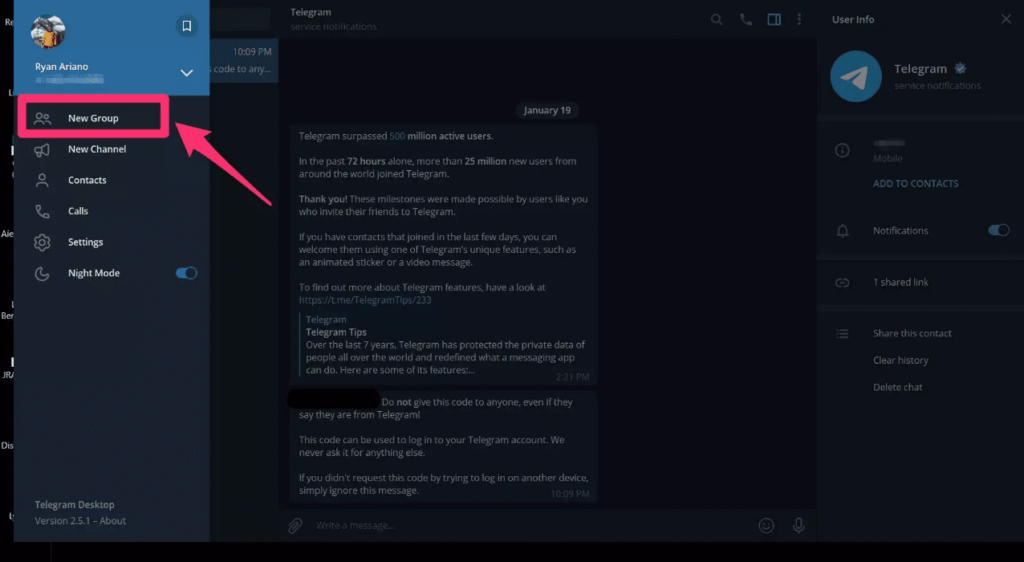
On Telegram Desktop, click the three-line menu icon in the top-left corner. Select “New Group” or “New Channel,” depending on your goal. The desktop version follows the same logic as mobile: add members for groups, set a name and description, and choose privacy settings.
Desktop creation suits users managing professional communities, as it allows faster typing, easier file uploads, and better moderation control during setup.
How to create a channel in Telegram?
Creating a channel is a wonderful option if you need to convey content to a large audience. This way, the information you send won’t get mixed up with the other members’ communications. You only need to follow these steps to start a channel:
- Tap the circular pencil symbol in Telegram.
- Choose a new channel.
- Select either a Public or a Private Channel.
- Enter a short permanent URL if you’ve selected a Public channel so that viewers may quickly discover your channel.
- To confirm, tap the checkmark in the top right corner.
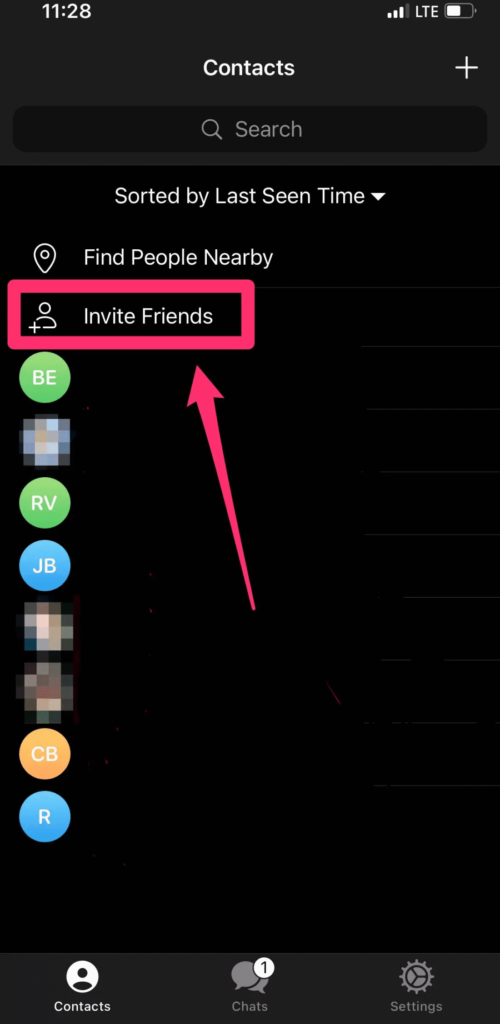
Common Mistakes to Avoid
Many users misunderstand groups versus channels and then choose the wrong format for their needs. If interaction is not called for, a channel works better. Other common mistakes: not setting descriptions and profile images lowers credibility. Overposting, irregular moderation, and rules that are not clear reduce engagement over time.
Successful Telegram communities treat setup as a bedrock, not an afterthought. Clear structure, a defined purpose, and disciplined management initiate the difference.
Related Post: How to make Group Video Call in Telegram?
Conclusion
Telegram Groups and Channels have different functions in communications, but both still depend on proper organization and maintenance. Whether it is about broadcasting, marketing, coordination, or even online education, there are scalable solutions in Telegram to accommodate it. Given proper organization, an intended community in Telegram will always be engaged, secure, and valuable.