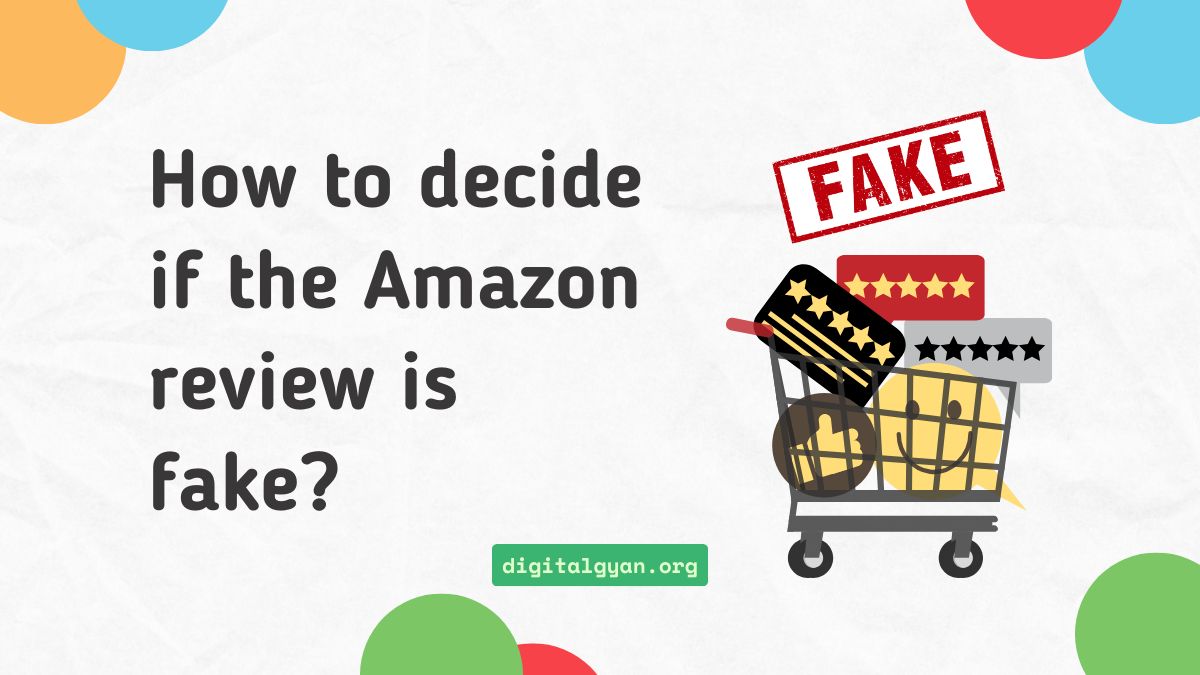
Scrolling through countless Amazon reviews, you see a symphony of glowing testimonials: “Life-changing!” “Absolutely obsessed!” “Best purchase ever!” But wait, is this online chorus truly reflecting genuine customer experiences, or is something more sinister lurking beneath the surface?
The harsh reality is that fake reviews are rampant on Amazon, casting a shadow on our online shopping decisions.
Statistics paint a worrying picture:
- A 2023 study by Fakespot estimates that up to 30% of Amazon reviews are fake, with numbers potentially even higher for certain product categories.
- Amazon itself blocked over 200 million suspicious reviews in 2022 alone, highlighting the platform’s ongoing battle against this deceptive practice.
- Research from Which? found that 77% of consumers have been influenced by fake reviews, potentially leading to misleading purchases and wasted money.
These numbers scream loud and clear: fake reviews are a significant problem, eroding trust and harming both consumers and legitimate sellers. But fear not, fellow shoppers! In this blog series, we’ll equip you with the tools to become a review detective, uncovering the truth behind those seemingly perfect ratings.
We’ll talk about methods used to create fake reviews, expose the telltale signs to watch out for, and share strategies to make informed purchasing decisions.
7 Surefire Ways to Detect Fake Amazon Reviews
It can be challenging to navigate the vast sea of Amazon reviews because positive comments frequently conceal ulterior motives. But you do not need to worry. We are going to discuss some symptoms of fake Amazon reviews that can help get some clues:
1. Scrutinise the Review Style
Look for overly promotional language peppered with generic adjectives like “amazing” and “incredible.” Genuine reviews tend to be more specific, mentioning product features, functionalities, and personal experiences. Beware of excessive exclamation marks and emojis, which are often red flags for paid reviews.
2. Dig into the Review Structure
Fake reviews often lack detail and focus solely on praising the product without mentioning specific aspects. Reviews overflowing with generic praise and lacking specific details (“This product is the best thing ever invented!”) raise red flags. Authentic reviews typically mention specific features, experiences, and functionalities.
Reviews unnaturally stuffed with relevant keywords (“This phone’s camera is phenomenal, battery life is incredible, and the display is mind-blowing!”) often indicate attempts to manipulate search algorithms.
They might also contain grammatical errors, unusual sentence structures, or unnatural keyword stuffing. Check if the reviewer has reviewed other products with similar, generic language.
3. Check Rating Distribution
Examine the overall star pattern. Fake reviews often create unnatural spikes with too many 5-star ratings and very few 3- or 4-star ones. Real products usually show a balanced bell curve or gradual distribution across all ratings. Watch for a “J-curve” where positives dominate heavily. New products suddenly flooded with hundreds of 5-star reviews in a short time are highly suspicious. Compare the ratio of positive to critical reviews. Extreme imbalance, especially with minimal moderate ratings, strongly indicates review manipulation.
4. Unmask the Reviewer Profile
Be wary of reviewers with only one or two reviews, especially if they’re both glowing praise for similar products. A genuine reviewer tends to accumulate reviews over time across diverse categories. Check the reviewer’s historical reviews. Do they all follow a similar pattern of generic praise or excessive negativity towards specific brands? This uniformity might indicate participation in review groups or incentivised programmes.
Reviewers who gush about every single product by a specific brand raise suspicion. Genuine reviews cover a range of brands and products, reflecting individual preferences and experiences.
5. Examine Review Timing and Volume
Look at when reviews appeared. Genuine reviews spread naturally over weeks or months. Fake reviews often arrive in tight clusters—many posted on the same day or within a few days. Sudden massive surges in volume for a low-selling product usually point to paid campaigns or review farms. Check the date graph on Amazon. Long gaps followed by bursts of positive reviews are common fake tactics. Consistent slow accumulation over time is more trustworthy.
6. Consider Verified Purchases
While not a guaranteed shield, prioritise reviews tagged as “Verified Purchase,” indicating the reviewer bought the product. However, remember that even verified purchases can be manipulated through review exchanges or incentivised programmes.
7. Verify Purchase Status
“Verified Purchase” label is helpful but not perfect. Some fake reviewers get the tag through reimbursed purchases via gift cards or third-party payments. A high percentage of unverified reviews on a product is a major warning sign. Amazon Vine reviews are clearly labelled and tend to be more detailed, but they can still lean overly positive. Cross-check the ratio of verified vs unverified. Heavy reliance on unverified 5-star reviews should make you cautious.
Remember: No single factor is a definitive giveaway. It’s the combination of red flags in the reviewer profile, along with suspicious content in the review itself, that paints a clearer picture of authenticity. By becoming a discerning profile analyst, you can empower yourself to navigate the review landscape with greater confidence and make informed purchasing decisions.
Conclusion
If you still think you see an illegitimate review, you can always report it. Please keep in mind that it may take time to get a response from Amazon.
My advice: Take everything with a grain of salt. Don’t believe everything you read. Do use common sense. That’s good advice, whether you’re shopping on Amazon or, you know, looking at the internet.
Have you had a run-in with fake reviews? Ever purchased something knowing full well the reviews were questionable? What was the outcome?